

Categories

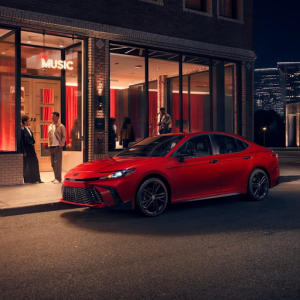
When it comes to choosing between the 2025 Toyota Camry Hybrid and its gas-powered sibling, many buyers wonder which is the better fit for their lifestyle, budget, and Ohio driving conditions. At Premier Toyota of Amherst, we’re here to help you compare both Camry powertrains side-by-side, with real-world data, ownership costs, and everyday driving insights.
Below, we answer the most common questions to help you decide which Camry is right for you.
A: The main difference lies in the powertrain. The 2025 Toyota Camry Hybrid combines a 2.5L 4-cylinder engine with Toyota’s proven Hybrid Synergy Drive, delivering exceptional fuel efficiency. The gas-only Camry, on the other hand, offers either a 2.5L 4-cylinder or an available 3.5L V6 for more power. The hybrid excels in city driving and fuel economy, while the gas model offers traditional driving dynamics and a broader range of performance options.
A: In real-world driving, the Toyota Camry Hybrid vs gas mileage shows a noticeable difference:
Drivers in Amherst, MA, and surrounding areas can expect to save significantly at the pump—especially during winter months or longer commutes—thanks to the hybrid’s superior efficiency.
A: Yes—if your priorities include long-term savings, fewer fill-ups, and environmental responsibility. The Camry Hybrid vs gas cost of ownership tilts in favor of the hybrid, thanks to lower fuel costs, potential tax incentives, and minimal maintenance over time. Plus, many Premier Toyota of Amherst customers report paying off the hybrid’s premium within a few years.
A: Both are great, but with a twist:
If you often drive long distances across Ohio or regularly merge onto highways, your choice depends on whether you prioritize efficiency or sporty performance.
A: Both are incredibly reliable. Toyota’s hybrid systems have been tested over millions of miles and multiple generations. The Camry Hybrid vs gas reliability comparison shows near-parity in terms of long-term dependability, with many hybrids exceeding 200,000 miles with regular maintenance.
A: One of the biggest myths is that hybrids cost more to maintain. In fact, Camry Hybrid vs gas maintenance costs are often lower:
Overall, Toyota hybrids are engineered for simplicity and longevity, and service technicians at Premier Toyota of Amherst are certified to handle both.
A: Surprisingly, yes. The Camry Hybrid vs gas for Ohio weather comparison favors the hybrid due to:
Add available all-weather tires and heated seats, and either version is winter-ready.
A: The Toyota Camry Hybrid vs gas acceleration and power showdown might surprise you:
Unless you opt for the V6, acceleration is nearly identical, making the hybrid feel confident and responsive for everyday use.
A: The 2025 Camry Hybrid vs gas for first-time buyers depends on budget and lifestyle:
If you’re planning to keep your car long-term or commute daily, the hybrid offers more value over time—especially with features like Apple CarPlay®, Android Auto™, and Toyota Safety Sense® 3.0 standard.
A: The Camry Hybrid vs gas resale value 2025 gap has narrowed over the years, with hybrids now holding value better due to rising demand and fuel cost concerns. Especially in eco-conscious markets like Massachusetts, hybrids often command stronger trade-in values at Premier Toyota of Amherst.
A: The Toyota Camry Hybrid vs gas for long-distance driving decision favors the hybrid:
The hybrid also comes with Toyota’s 8-year/100,000-mile hybrid system warranty, giving peace of mind for road trips across Ohio or beyond.
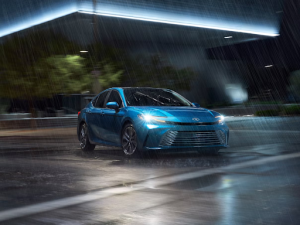
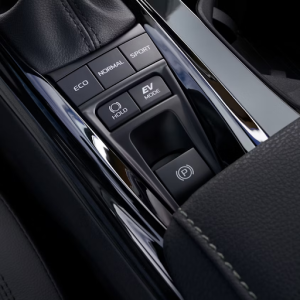
Whether you choose the hybrid or gas model, Premier Toyota of Amherst has a wide selection of 2025 Toyota Camrys to test drive today. Our team can walk you through side-by-side comparisons, special lease offers, and trade-in values—plus show you how to connect your phone via Apple CarPlay® or Android Auto™.
*Penned by AI, polished by humans

 Call Us
 Directions